
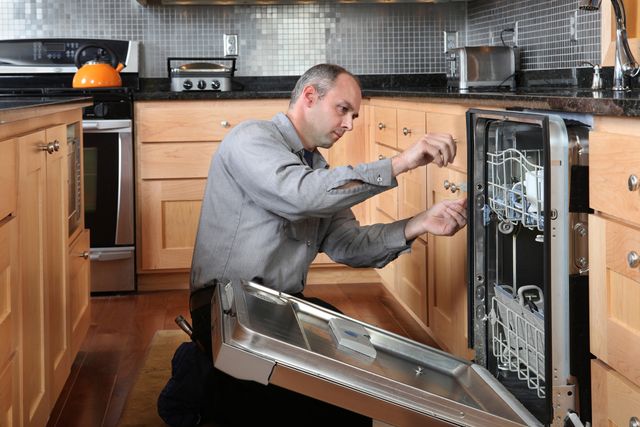
Buying a new dishwasher is usually a welcome upgrade. Quieter cycles, better cleaning, and improved efficiency can make a noticeable difference in your daily routine. But before you get to enjoy those benefits, one critical step often gets overlooked: dishwasher installation. It’s easy to assume that installing a dishwasher is a quick, straightforward task, but in reality, small missteps during setup can lead to big problems later.
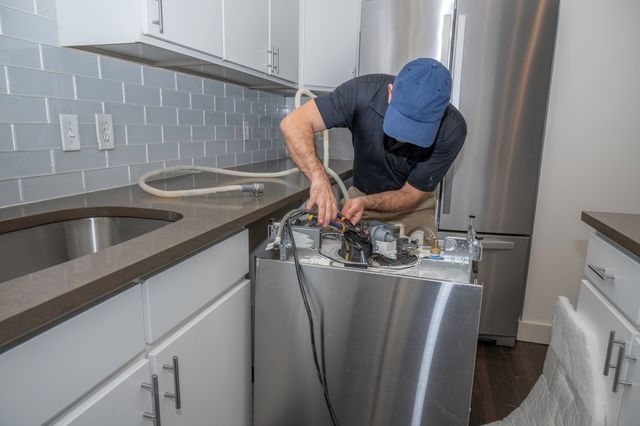
From leaks under the sink to dishes that never seem to come out clean, many common dishwasher complaints can be traced back to how the unit was installed. A rushed dishwasher install or an improperly handled dishwasher hookup can affect everything from drainage and water pressure to noise levels and long-term reliability. Even something as simple as skipping proper leveling can shorten the life of the appliance.
Explore Dishwashers at Orville's
Upgrade your kitchen with a new dishwasher from the best brands available at Orville's Home Appliances, today!
Shop DishwashersThis article breaks down the most common dishwasher installation mistakes to avoid, explains why correct installation matters, and walks through what it takes to install dishwasher units the right way the first time. If you’re considering a DIY approach or thinking about professional help, understanding the basics of proper installation of a dishwasher can help you protect your investment and avoid unnecessary headaches.
Importance of Proper Dishwasher Installation
Proper dishwasher installation plays a major role in how well your appliance performs over time. A dishwasher depends on balanced water pressure, proper drainage, secure electrical connections, and correct positioning to operate efficiently. When even one of those elements is off, problems can start appearing almost immediately or slowly develop over months of use.
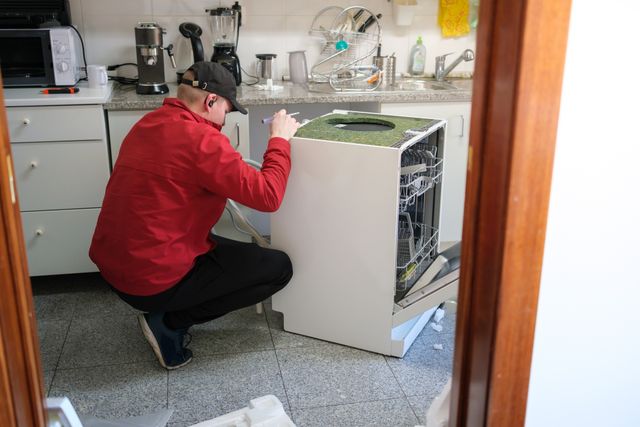
An incorrectly installed dishwasher may leave standing water in the tub, struggle to clean dishes evenly, or run louder than expected. Poor connections can cause leaks that damage flooring, cabinets, and subflooring before you even notice them. In some cases, improper installation of a dishwasher can void the manufacturer’s warranty, leaving homeowners responsible for repair costs that could have been avoided.
Safety is another major concern. Faulty wiring or loose electrical connections increase the risk of electrical issues, while poor drainage setups can create unsanitary conditions inside the appliance. Taking the time to ensure a correct dishwasher installation, or hiring professionals who specialize in dishwasher installations, helps protect both your home and your investment.
→ Learn more: GE vs Whirlpool Dishwasher: Which Brand Cleans Better?
4 Dishwasher Installation Mistakes to Avoid
Even experienced DIYers can overlook small but important steps while installing a dishwasher. Here are some of the most common mistakes homeowners make and how to avoid them.
1. Skipping Proper Leveling
One of the most frequent mistakes in a dishwasher install is failing to level the unit. A dishwasher that isn’t level may not drain fully, can leak from the door, or may clean unevenly. Over time, this can strain internal components and shorten the appliance’s lifespan.
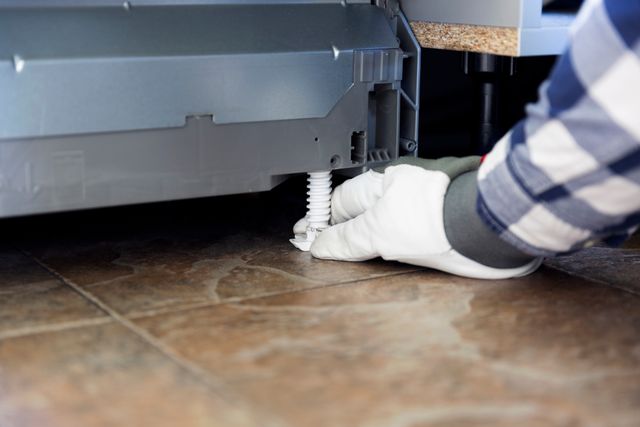
Always adjust the leveling legs so the dishwasher sits evenly from front to back and side to side. The door should close smoothly without slamming or drifting open. This small step makes a big difference in long-term performance.
2. Incorrect Dishwasher Hookup Connections
Improper dishwasher hookup is another major issue. Loose water supply lines, incorrectly attached drain hoses, or missing high loops can all cause leaks or backflow problems. Drain hoses should be routed properly to prevent dirty water from flowing back into the unit.
Electrical mistakes are also common, especially when hardwiring a dishwasher. Using the wrong wiring method or skipping grounding can create safety risks. If you’re unsure about plumbing or electrical connections, this is where calling a professional installer is often the smarter choice.
3. Forgetting the High Loop or Air Gap
A high loop or air gap is critical to prevent wastewater from flowing back into the dishwasher. Skipping this step during the installation of a dishwasher can lead to foul odors, dirty water in the tub, and potential health concerns.
Many local plumbing codes require a high loop or air gap, so missing it can also cause issues during home inspections. Homeowners often overlook this simple step in their rush to install a dishwasher.
4. Not Securing the Dishwasher Properly
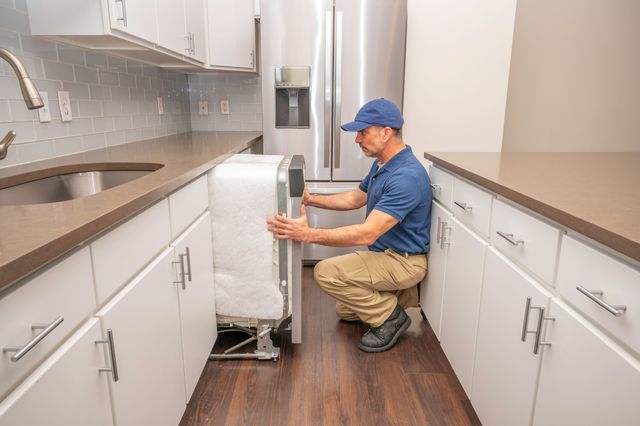
Dishwashers need to be anchored to prevent tipping when racks are pulled out. Failing to secure the unit to the countertop or cabinets can cause it to shift during use. Over time, movement can loosen hoses or electrical connections.
Proper mounting brackets should always be used according to the manufacturer’s instructions. This step helps keep the dishwasher stable and quiet during operation.
→ Learn more: A Buyers Guide to Stainless Steel Dishwashers
How to Install a Dishwasher Correctly
If you’re planning to handle your dishwasher installation tasks yourself, preparation and patience are key. Installing a dishwasher correctly involves more than just pushing it into place.
Start by confirming the opening dimensions match the dishwasher specifications. Shut off water and power before removing the old unit. Carefully connect the water supply line, drain hose, and electrical wiring according to the manufacturer’s instructions. Always double-check connections for leaks before sliding the unit fully into place.
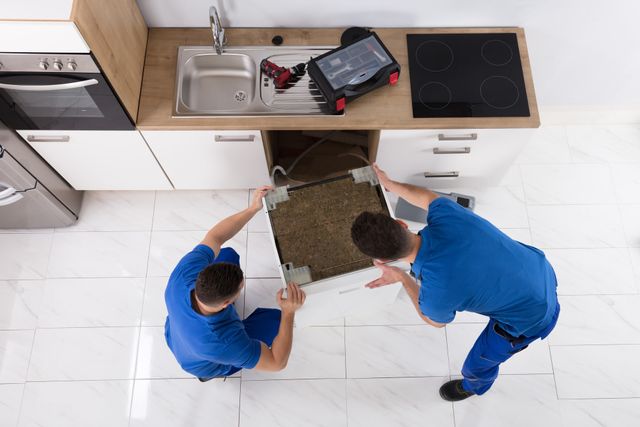
Once positioned, level the dishwasher, secure it with mounting brackets, and test a short cycle to ensure everything works as expected. If any step feels unclear, it’s worth pausing. Improper dishwasher installation can quickly undo the savings of a DIY job.
For homeowners who want peace of mind, Orville’s offers professional installation services that handle delivery, hookup, and testing. Our team ensures each dishwasher install meets safety standards and manufacturer requirements, helping you avoid costly mistakes from day one.
Dishwasher Installation Step-by-Step Checklist
Here is a step-by-step checklist to make sure nothing important is missed during dishwasher installation, whether you’re doing it yourself or double-checking a professional install.
- Confirm measurements and clearances: Verify that the dishwasher opening matches the unit’s width, height, and depth requirements. Check that there’s enough clearance for the door to open fully and racks to slide out smoothly.
- Shut off water and power: Turn off the water supply under the sink and shut off power at the breaker before starting. Never attempt a dishwasher install with live water or electrical connections.
- Prepare the water supply line: Inspect the supply line for wear or corrosion and replace it if needed. Make sure the connection is tight but not overtightened to avoid leaks.
- Route the drain hose correctly: Install a high loop or air gap as required to prevent backflow. Secure the hose so it won’t kink or sag behind the dishwasher.
- Make the electrical connection safely: Follow the manufacturer’s instructions for hardwiring or plugging in the dishwasher. Ensure proper grounding and strain relief to prevent electrical issues.
- Slide the dishwasher into place carefully: Push the unit in slowly while guiding hoses and wiring so nothing gets pinched. Double-check that lines move freely as the dishwasher is positioned.
- Level the dishwasher: Adjust the leveling legs so the dishwasher is even from front to back and side to side. The door should close easily without drifting or slamming.
- Secure the dishwasher to cabinets or countertop: Use the provided mounting brackets to anchor the unit firmly. This prevents tipping and reduces vibration during operation.
- Test for leaks and performance: Turn the water and power back on, then run a short test cycle. Check underneath and around the unit for leaks, unusual noises, or drainage issues.
- Reinstall toe kick and final panels: Once everything checks out, reinstall the toe kick and any trim pieces. Make sure nothing blocks airflow or access to service components.
A new dishwasher should make life easier, not create new problems. Taking the time to understand proper dishwasher installation helps prevent leaks, noise issues, and poor performance down the road. Many common problems don’t come from the appliance itself but from small mistakes made during setup.
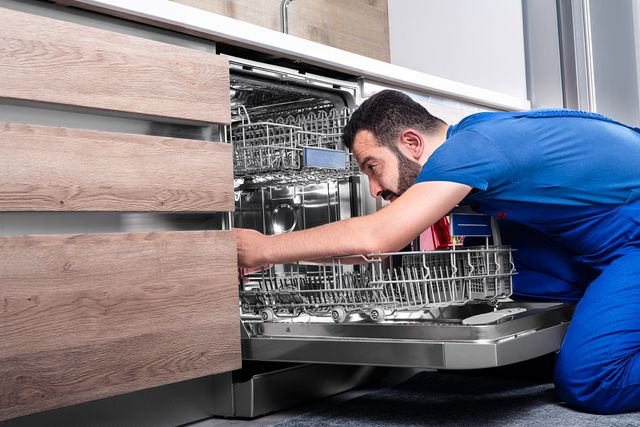
If you’re confident in your skills, following the correct steps can lead to a smooth install. But when there’s any uncertainty, professional installation can save time and protect your home. Whether you install dishwasher yourself or rely on expert help, getting the installation right the first time ensures your dishwasher works efficiently and reliably for years to come.
→ Learn more: 6 Luxury Built-In Dishwashers & Their Best Features
Dishwasher Installation FAQs
Installing a dishwasher involves connecting water, drainage, and electrical components correctly while ensuring the unit is level and secure. Each step must follow the manufacturer’s instructions to avoid leaks or performance issues. Many homeowners underestimate how precise dishwasher installation needs to be. If you’re unsure at any point, professional installation is often the safest route.
A proper dishwasher hookup includes attaching the water supply line, routing the drain hose correctly, and making a safe electrical connection. The drain hose should include a high loop or air gap to prevent backflow. Connections should be tight but not overtightened to avoid damage. Testing for leaks before final placement is essential.
Connecting a dishwasher means securing plumbing and electrical lines according to code and manufacturer guidelines. Incorrect wiring or plumbing connections can cause malfunctions or safety hazards. Always turn off power and water before starting the process. If your home’s setup doesn’t match the dishwasher requirements, professional help is recommended.
For expert guidance and a wide selection of dishwashers in Rochester and Buffalo, Orville’s is the best place to shop for a new dishwasher. Our team can help you choose the right model and handle delivery and dishwasher installation professionally, ensuring your appliance performs as intended and meets local installation requirements.
Why Trust Orville’s?
For nearly 60 years, Orville's has been synonymous with excellence in the home appliance industry. With eight appliance showrooms and a 110,000-square-foot warehouse stocked with 25,000+ major home appliances, we offer the largest selection of kitchen, laundry, and outdoor appliances in Western New York.
Every Orville’s location showcases over a 1,000 different appliance models, with products from today’s best appliance brands. From outlet deals to scratch and dent, we always ensure our customers receive the best value with a Low Price Guarantee. A continuously refreshed catalog of in-stock appliances awaits, ready and available for the region’s fastest delivery and installation service. Experience the Orville's difference today. Visit one of our local appliance stores and discover why we're your trusted source for home appliances in Western New York.
Shop Appliances at Orville’s Home Appliances
As a family-owned and operated business since 1965, Orville's is deeply rooted in the WNY, Genessee Valley, and Finger Lakes community. We're proud to have been serving the appliance needs of Rochester, Buffalo, and beyond for over five decades, and we remain committed to providing exceptional service and support to our loyal customers. Our appliance specialists are always happy to answer any questions about discount appliances.
→ Learn more: Is Cove Worth the Premium Over a Bosch Dishwasher?