
At a Glance
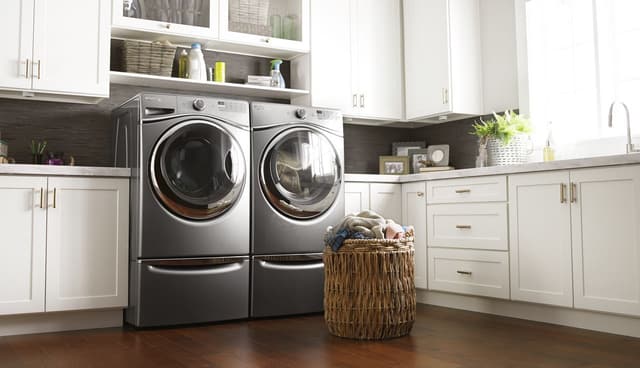
Staring down a mounting pile of wet laundry because the dryer keeps shutting off mid-cycle tests the patience of any homeowner. Watching clothes sit damp while wondering if you should pay for another expensive service call or finally buy a new set turns a routine chore into an expensive headache. Understanding how long do dryers last helps you decide whether a sputtering machine is worth fixing or ready for retirement.
The good news is that home appliance technology has come a long way, and you do not have to navigate these replacement decisions alone. At Orville’s Home Appliances, our team brings decades of local expertise to help Western New York homeowners find dependable laundry solutions. This guide breaks down typical machine lifespans, early failure warning signs, and simple maintenance steps to protect your investment.
Upgrade Your Laundry Room Today
Explore our massive selection of reliable washers and dryers built to handle your family's daily routine.
Explore Washers and DryersKey Takeaways
- Lifespan Expectations: Most standard laundry appliances provide ten to fifteen years of reliable service before requiring replacement.
- Maintenance Habits: Cleaning lint traps and checking water hoses regularly prevents minor issues from turning into major breakdowns.
- Repair Thresholds: Spending half the cost of a new machine on an older unit usually points toward a smart replacement.
- Usage Impact: Large households running daily loads will naturally wear out mechanical parts faster than single-person homes.
How Many Years Should Your Laundry Appliances Last?
When planning a household budget, knowing what to expect from your utility room is essential. Industry averages show that washing machines generally last seven to thirteen years, while dryers typically last twelve to thirteen years.
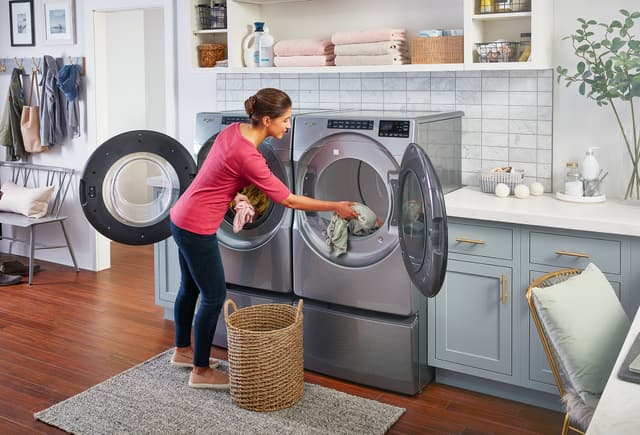
Dryers often outlast washing machines due to their simpler mechanical design. Washers deal with constant water exposure, heavy spinning forces, and complex water-holding components that naturally create more wear and tear.
The shift toward high-efficiency technology and electronic control boards has also changed durability. Older mechanical machines relied on simple timers and switches that were easy to fix, while modern units use computerized control panels that offer better energy savings but higher sensitivity to power surges.
Key factors influencing overall longevity include:
- Mechanical simplicity: Fewer water-moving parts generally mean fewer points of failure over time.
- Electronic components: Modern touch panels and sensors offer precise cycles but introduce sensitive parts.
- Build quality: Heavy-duty materials resist structural fatigue much better than lightweight plastics.
What Determines the Lifespan of Your Washer and Dryer
How you use and maintain your laundry equipment dictates how many years you will get out of a set. Usage frequency is the most obvious factor, as a large family running back-to-back loads every day will wear out components much faster than a single person doing laundry once or twice a week.
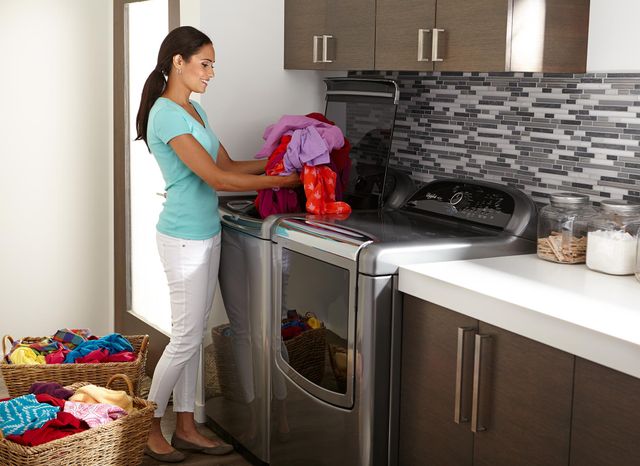
Load size and balance also play a major role in machine health. Consistently overloading a drum places immense strain on the suspension system, drive belts, and motor bearings.
Maintenance habits matter just as much as load size. Using the correct amount of high-efficiency detergent prevents thick soap residue from building up inside the drum and draining system. Furthermore, proper installation is non-negotiable. An unleveled machine experiences excessive vibration during spin cycles, which will shake internal parts loose and shorten its operational life.
Water quality is another factor many homeowners overlook. Hard water leaves mineral deposits inside washer valves, hoses, and heating elements, which can restrict water flow and force the machine to work harder over time. Households on well water or in areas with known hard water should flush their washer's inlet screens periodically to keep these deposits from shortening the appliance's lifespan.
Front Load vs Top Load Washers: Which Lasts Longer
The style of washer you choose plays almost as large a role in longevity as how you use it. Top load and front load machines rely on different mechanical systems to clean and spin a load, which means they wear out in different ways and require different upkeep to reach their full lifespan. Before deciding which style suits your household, it helps to see how the two compare side by side.
| Feature | Top Load Washers | Front Load Washers |
|---|---|---|
| Average Expected Lifespan in Years | Typically lasts 10 to 14 years with basic upkeep. | Typically lasts 10 to 14 years with proper door ventilation. |
| Common Mechanical Wear Points | Agitator gears, lid switches, and drive couplings. | Door rubber gaskets, pump filters, and tub bearings. |
| Susceptibility to Mold and Odors | Low risk due to open top design and natural airflow. | Higher risk if the door is left closed between cycles. |
| Ease of DIY Maintenance | Simpler internal access for basic part replacements. | More complex repairs requiring front panel removal. |
| Overall Water and Energy Efficiency | Uses more water to submerge clothes completely. | Highly efficient use of water and high-speed spin extraction. |
How to Know When Your Washer & Dryer Needs Replacing
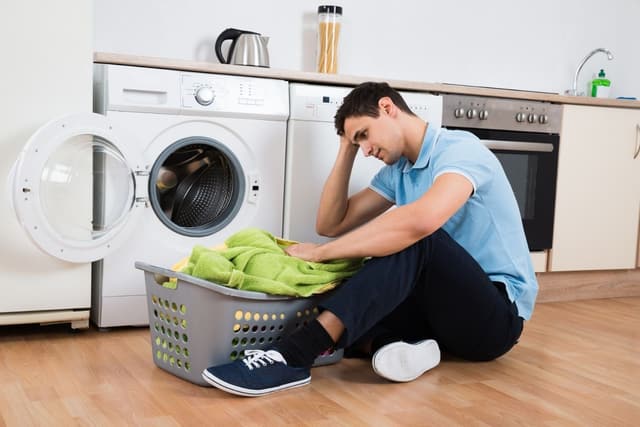
Catching appliance failure early keeps a minor leak from turning into a flooded utility room. Watch for these physical indicators and performance red flags in your washing machine:
- Excessive shaking and violent walking across the floor during spin cycles.
- Loud grinding or squealing noises that point toward worn motor bearings.
- Unexplained water pooling beneath the unit from failing internal hoses.
- Clothes coming out soaking wet because the machine cannot execute a high-speed spin.
- Noticeably higher electric bills caused by an aging motor drawing excess power to run.
Recognizing when your dryer is failing saves you from endless hours waiting for damp loads to dry. The most common red flag is clothes taking multiple cycles to dry completely. While a clogged exhaust vent should always be checked first, a persistent lack of heat indicates failing heating elements, broken moisture sensors, or blown thermostats.
You should also listen for unusual squeaking or heavy thumping noises. These sounds point to worn drum rollers, sliding glides, or stretched belts. When considering how long do dryers last, keep in mind that these terminal symptoms typically appear around the twelve to fifteen-year mark, signaling that repair costs outweigh the value of the machine.
How to Make Your Laundry Appliances Last Longer
Proactive care directly impacts how long your equipment will serve your household. For your washing machine, always leave the door slightly open after a cycle to let the interior dry out and prevent mold. Clean out the bottom drain filter every few months, and replace rubber water fill hoses every five years to prevent catastrophic bursts.
It also helps to check pockets before every load. Coins, keys, and loose buttons can slip past the drum and jam the pump or scratch the drum's interior, leading to repairs that are easy to avoid with one quick habit.
For your dryer, clean the lint screen after every single load to maintain proper airflow. You should also deep-clean your exterior vent duct annually to remove trapped lint, which prevents dangerous fire hazards and keeps the heating element from overheating.
Monitoring the lifespan of your laundry set helps you budget for future home upgrades. Watching for signs of mechanical failure and committing to routine maintenance protects your investment and keeps your utility room running smoothly.
When it is finally time for an upgrade, shop the massive in-stock laundry appliance inventory at Orville’s Home Appliances. Buying from our independent local retailer gives you access to nearly 60 years of Western New York expertise, our Low Price Guarantee, and the region's fastest delivery from our 110,000-square-foot warehouse to differentiate from impersonal big-box stores.
Frequently Asked Questions
Dryers typically last ten to fifteen years, while washing machines generally last ten to fourteen years. Dryers often outlast washers because they manage dry heat rather than constant water exposure and heavy wet loads.
It is rarely worth investing in major repairs for a ten-year-old laundry appliance because other parts will likely fail soon. Major component replacements on older units usually exceed half the cost of buying a brand-new machine.
Gas dryers and electric dryers feature very similar mechanical lifespans of ten to fifteen years. The longevity depends much more on maintenance habits, cleaning the vent duct, and daily usage frequency than the heating fuel source.
You should deep-clean your exterior dryer vent duct at least once a year to prevent lint blockages. Keeping the exhaust clear reduces strain on the blower motor and prevents dangerous overheating.
The 50 percent rule states that if a repair costs more than half the price of a new appliance, you should replace the unit. This guideline prevents you from sinking money into aging machines nearing the end of their lifespan.
Consistently overloading a washing machine forces the motor, drive belt, and tub suspension to work much harder than intended. This heavy strain leads to premature mechanical failure and shortens the overall lifespan of the appliance.
Why Trust Orville’s?
For nearly 60 years, Orville's has been synonymous with excellence in the home appliance industry. With eight appliance showrooms and a 110,000-square-foot warehouse stocked with 25,000+ major home appliances, we offer the largest selection of kitchen, laundry, and outdoor appliances in Western New York.
Every Orville’s location showcases over a 1,000 different appliance models, with products from today’s best appliance brands. From outlet deals to scratch and dent, we always ensure our customers receive the best value with a Low Price Guarantee. A continuously refreshed catalog of in-stock appliances awaits, ready and available for the region’s fastest delivery and installation service. Experience the Orville's difference today. Visit one of our local appliance stores and discover why we're your trusted source for home appliances in Western New York.
Shop Dishwashers at Orville’s Home Appliances
As a family-owned and operated business since 1965, Orville's is deeply rooted in the WNY, Genessee Valley, and Finger Lakes community. We're proud to have been serving the appliance needs of Rochester, Buffalo, and beyond for over five decades, and we remain committed to providing exceptional service and support to our loyal customers. Our appliance specialists are always happy to answer any questions you may have.
→ Learn more: Best Washer and Dryer Brands for Families & Busy Homes